Practice 🇸🇪 Swedish — The Easiest Language for English Speakers
You already know 1,500+ Swedish words through shared Germanic roots. Train your ear with native audio, chat with AI tutors, and finally understand Swedes at full speed.
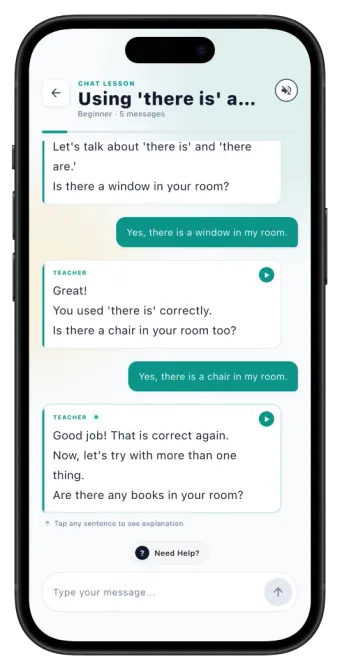
How Erla Helps You Practice Swedish
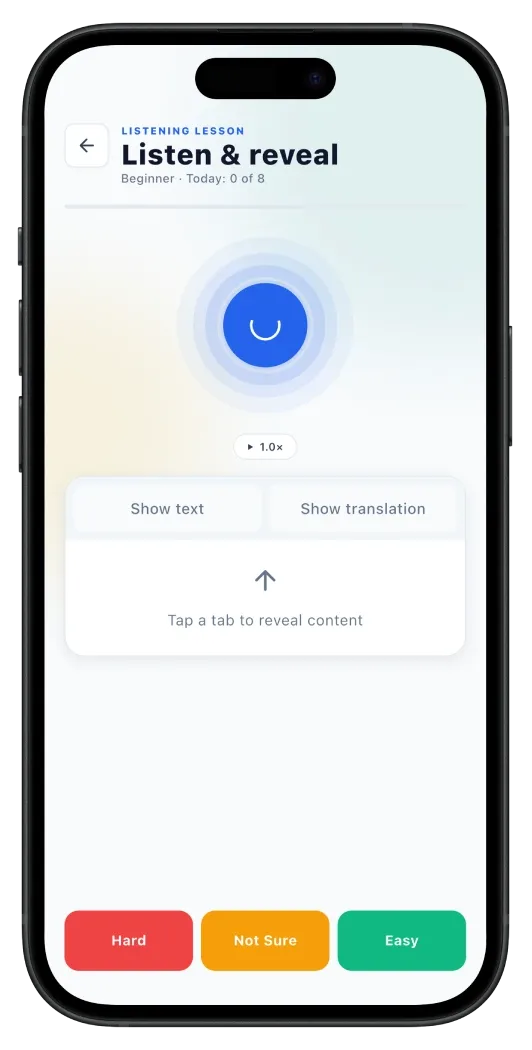
Hear Real Swedish, Not Classroom Recordings
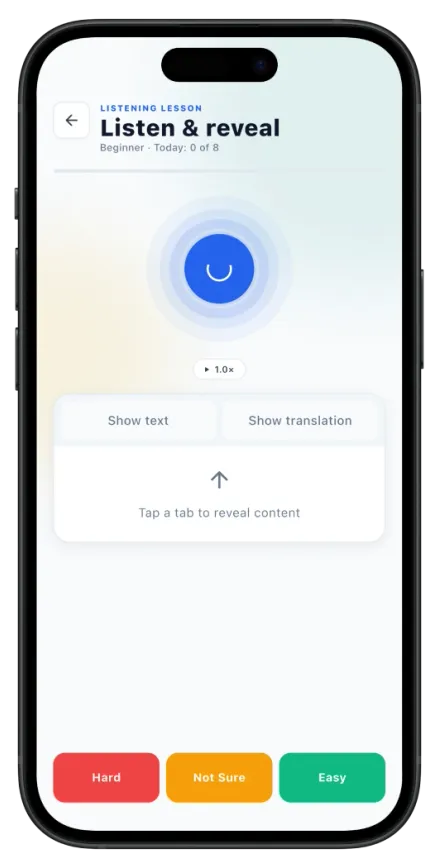
Listen to natural Swedish sentences — the way people actually speak in Stockholm, Gothenburg, or Malmö. Try to understand before revealing any text. Your ear adapts to Swedish melody and rhythm faster than you think.
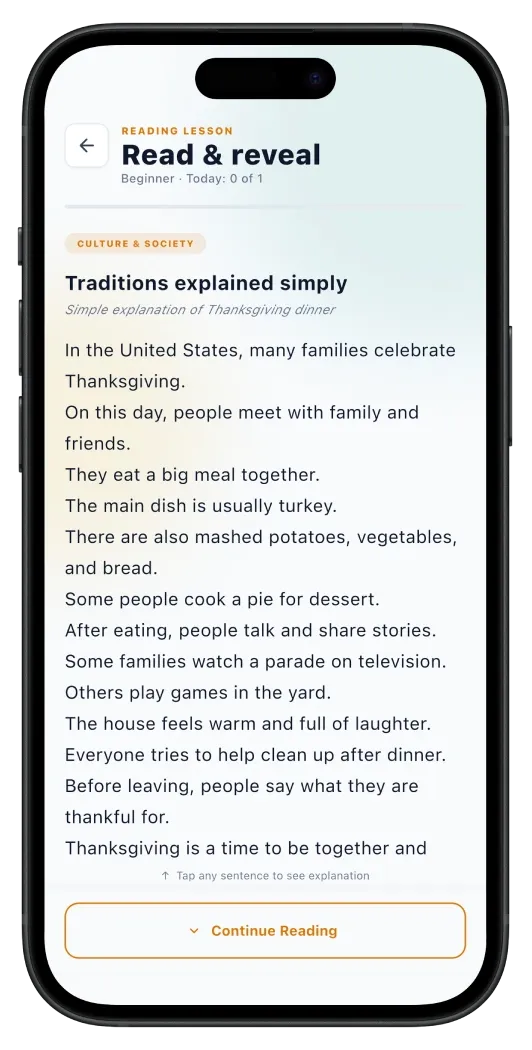
Read Swedish Stories That Make Words Stick
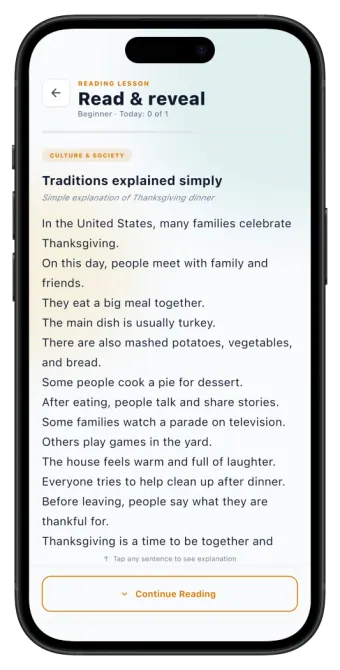
Short, engaging stories in Swedish about everything from fika traditions to Nordic winters. You pick up new words because they're part of a story — not a vocabulary list. Tap any sentence to go deeper.

Watch Swedish Videos Without Subtitles First
Bite-sized videos play in Swedish with no text — training your brain to process the language in real time. On the second play, subtitles appear so you can check what you caught. Swipe for the next one.
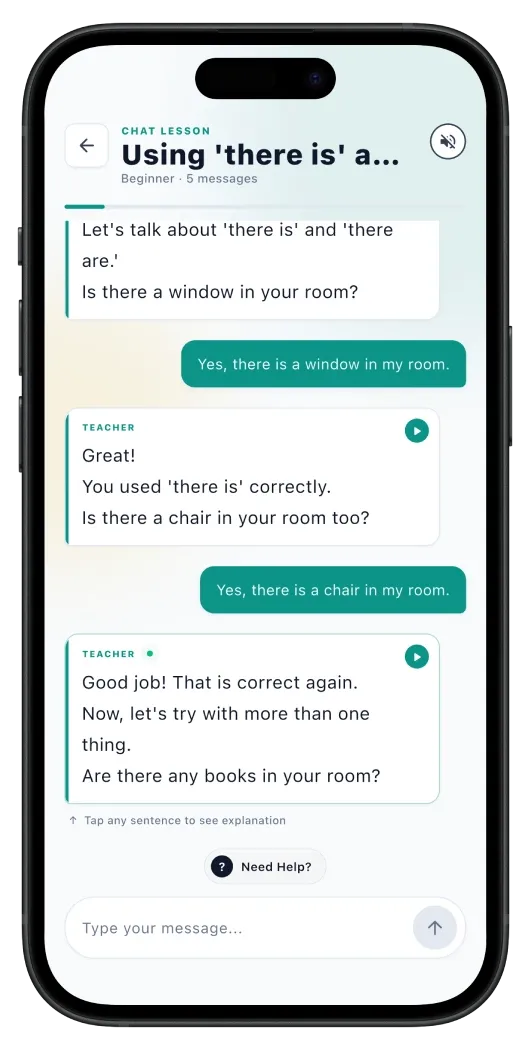
Have a Swedish Conversation Right Now
Pick a topic and chat with an AI tutor in Swedish. It corrects your grammar, adapts to your level, and gives you a full report at the end — what you nailed, what to work on, and new vocabulary you used.
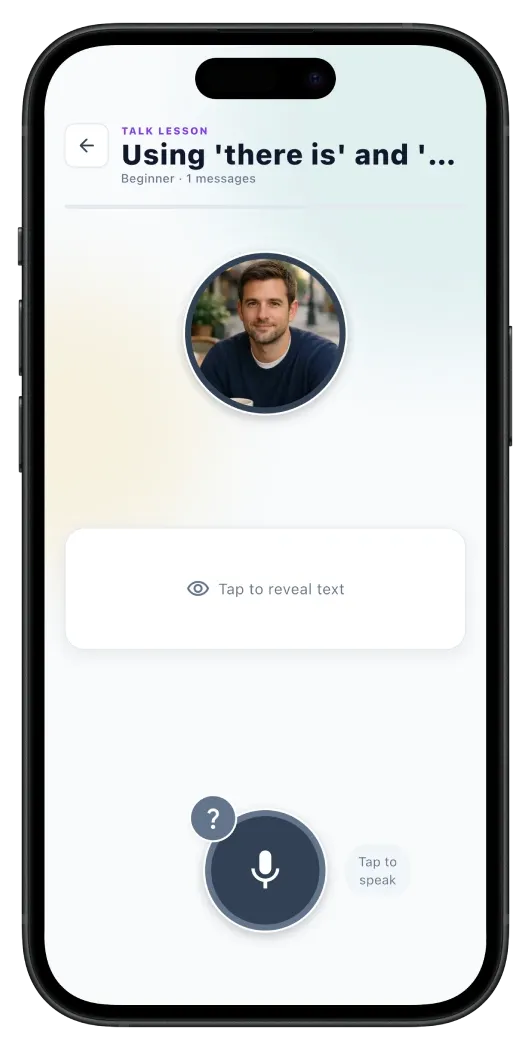
Practice Speaking Swedish Out Loud
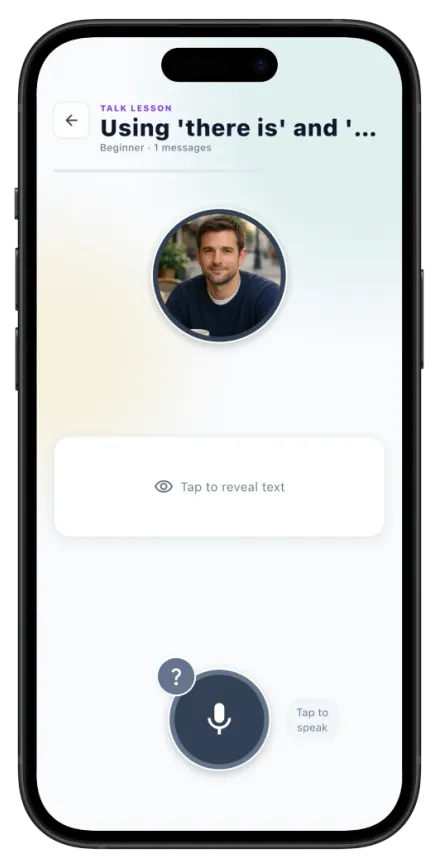
Talk to an AI teacher who responds in real time, fixes your pronunciation, and keeps the conversation going. No scheduling, no awkwardness — just real speaking practice whenever you're ready.
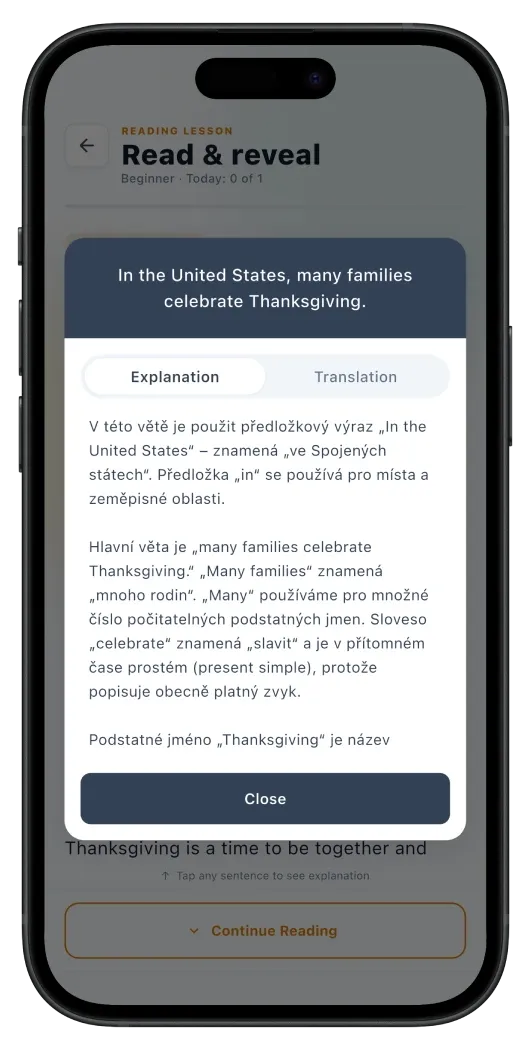
Understand Swedish Grammar, Word by Word
Tap any sentence in any mode to see a full translation, grammar breakdown, and verb forms. Finally understand Swedish word order and those tricky en/ett articles — not just what sentences mean.
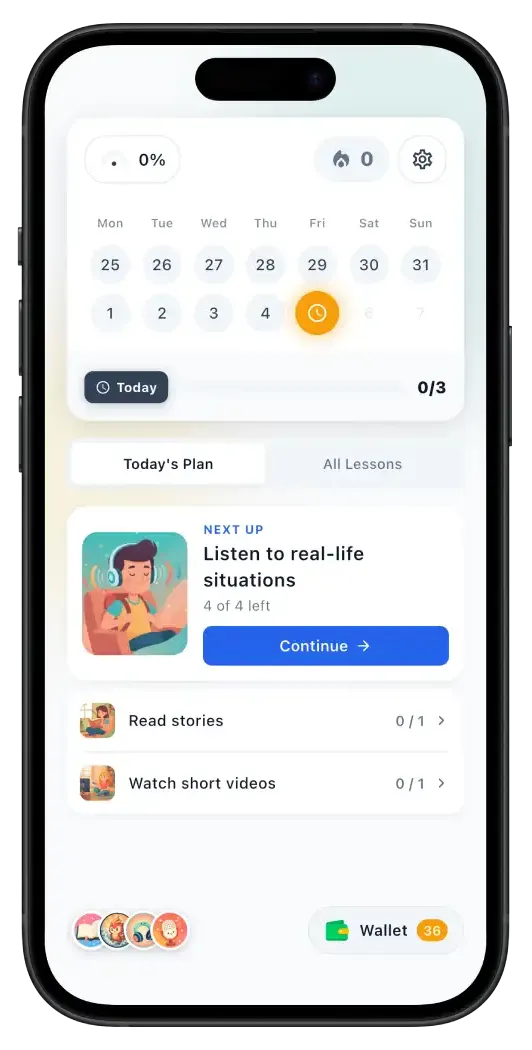
Build a Swedish Habit That Actually Lasts
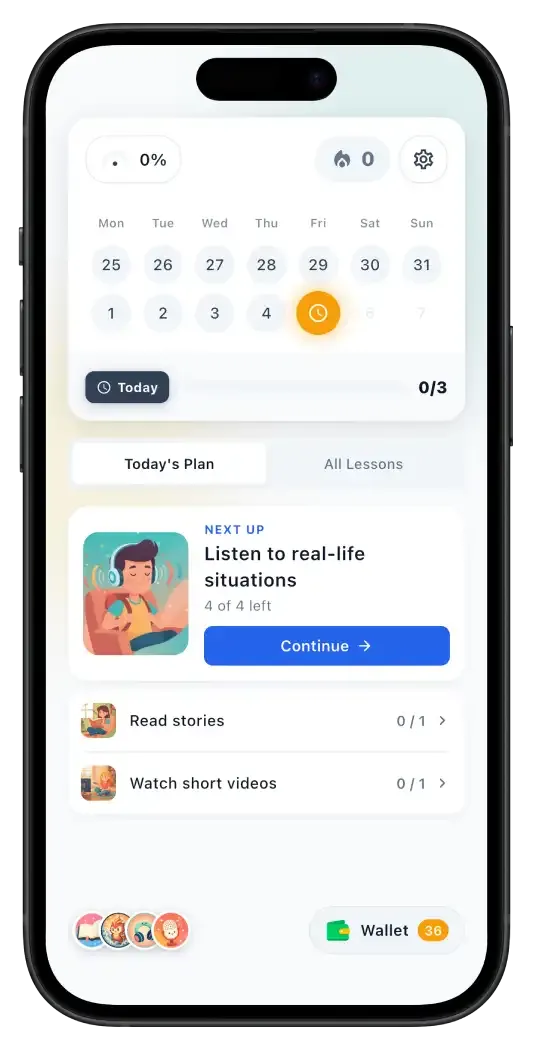
Set a daily goal, track your streak, and watch your Swedish comprehension score grow. Erla adjusts to your pace — whether you have 5 minutes on the tunnelbana or 30 minutes at home.
Start Practicing Swedish Today
Download Erla free and discover how naturally you can sharpen your Swedish comprehension. With 1,500+ cognates on your side, progress comes faster than you'd expect.
Fascinating Swedish Language Facts
Discover what makes Swedish unique among world languages.
Swedish uses a musical pitch accent that gives the language its distinctive melodic sound. This tonal quality means some words are only distinguished by their pitch pattern, creating minimal pairs like 'anden' (the duck) versus 'anden' (the spirit) with different tones.
The Swedish alphabet contains 29 letters, including three special vowels: å, ä, and ö. These aren't accented versions of other letters but distinct characters that appear at the end of the alphabet and represent unique sounds not found in English.
Swedish verbs never change based on who is performing the action. Unlike English or Spanish, the same verb form works for I, you, he, she, we, and they, making conjugation remarkably simple for language learners.
Sweden underwent a dramatic social revolution in the late 1960s called 'du-reformen' when the informal 'du' (you) replaced formal address forms. Today, Swedes use 'du' with everyone from colleagues to the King, reflecting the country's egalitarian culture.
Swedish descends directly from Old Norse, the language spoken by Vikings throughout Scandinavia. This ancient heritage connects modern Swedish speakers to over a thousand years of Nordic history, literature, and cultural tradition.
Swedish by the Numbers
Compelling reasons why Swedish is a smart language investment.
The most widely spoken Scandinavian language, with speakers across Sweden, Finland, and beyond.
Swedish holds official status in Sweden and Finland.
Fourth most spoken Germanic language after English, German, and Dutch.
FSI Category I — the fastest tier for English speakers to reach proficiency.
Opportunities with Swedish
Unlock career growth and cultural connections across the Nordic region.
Tech Innovation Hub
Stockholm has produced more unicorn startups per capita than any other city globally. Spotify, Klarna, King, and Mojang all started here. Swedish skills set you apart from international applicants and unlock roles beyond English-only positions — especially in management and client-facing teams.
Global Business Leaders
Swedish multinationals including IKEA, Volvo, Ericsson, H&M, and AstraZeneca operate worldwide. Understanding Swedish unlocks deeper collaboration with headquarters, local teams, and access to leadership opportunities within these influential organizations.
Nordic Quality of Life
Sweden consistently ranks among the world's best countries for quality of life, work-life balance, and innovation. Swedish proficiency opens doors to living, studying, and building a career in one of Europe's most progressive societies.
Swedish Practice — Questions Answered
Common questions about practicing Swedish with Erla's immersive listening, reading, and speaking approach.
English and Swedish share deep Germanic roots, identical subject-verb-object word order, and over 1,500 cognate words you'll recognize instantly — like 'hus' (house), 'vatten' (water), and 'hand' (hand). The U.S. Foreign Service Institute classifies Swedish as Category I, meaning proficiency takes roughly 575–600 hours — the fastest category.
Start Practicing Swedish Today
Download Erla free and discover how naturally you can sharpen your Swedish comprehension. With 1,500+ cognates on your side, progress comes faster than you'd expect.
Questions About Practicing Swedish?
Our team is here to help you succeed on your Swedish practice journey.
Contact usOr email us directly at a@justonedev.co